

It usually starts with something small.
A water stain that appears after heavy rain. A musty smell that comes and goes. A room that suddenly feels damp, even when the weather has cleared.
Most homeowners look at the ceiling and wonder if the plaster is the problem.
But the real issue is often sitting just above it.
If you are asking whether ceiling insulation get wet is a real problem, the short answer is yes. And in Brisbane and Ipswich, it happens more often than people think.
Between summer storms, roof leaks, humid air, and condensation in the roof cavity, insulation can absorb moisture and slowly stop doing the job it was put there to do.
The good news is this is one of those problems that makes much more sense once you can picture what is happening up there.
Yes Ceiling Insulation Can Get Wet
Ceiling insulation is not sealed inside a waterproof box.
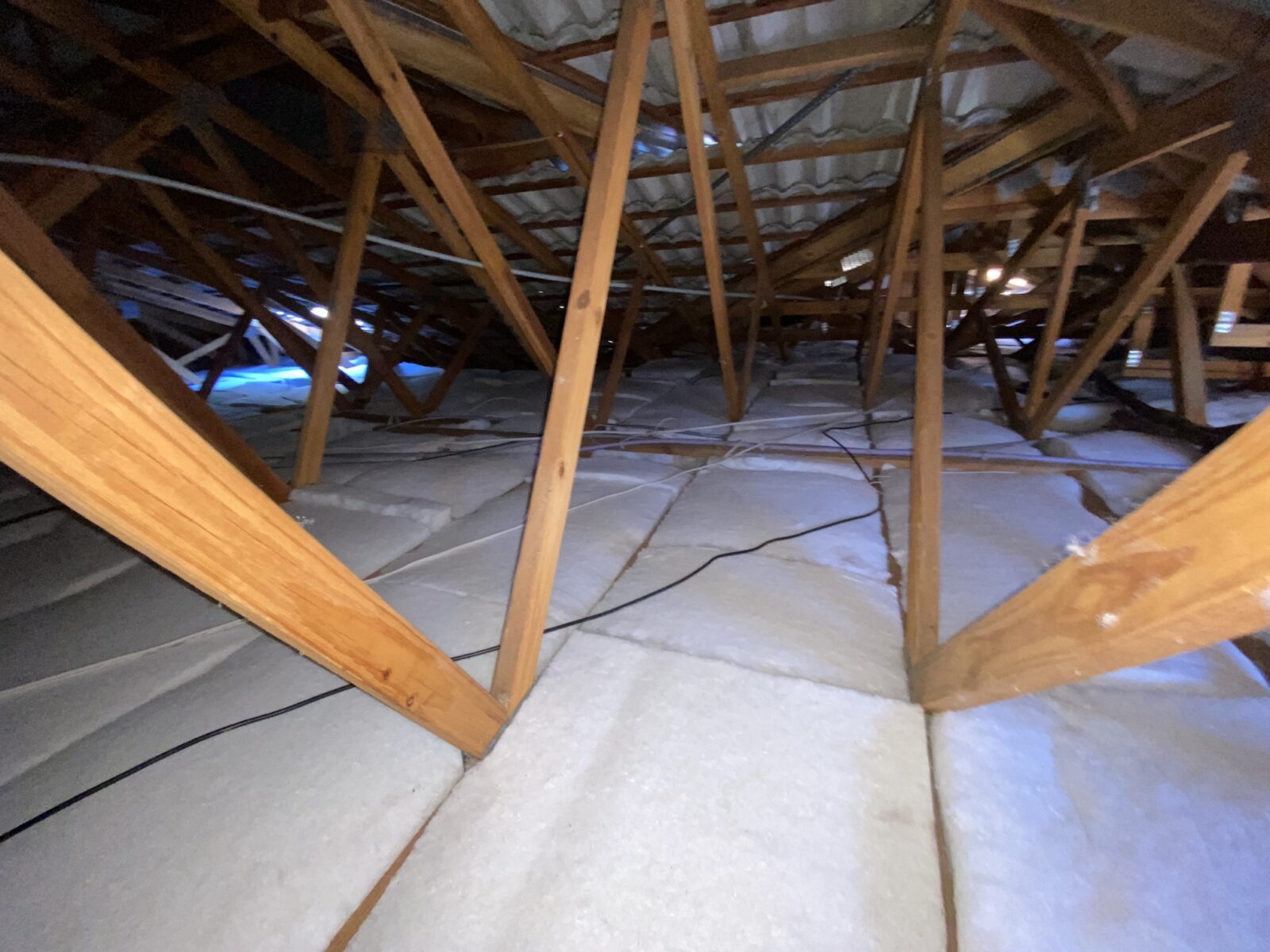
It sits inside your roof cavity, which is one of the most exposed parts of the home.
That space deals with:
- Heavy rain and storm damage
- Heat and humidity
- Condensation from temperature changes
- Air movement through small gaps and vents
So yes, wet ceiling insulation is absolutely possible.
And when it gets wet, it does not just look a little messy.
It can flatten, hold smells, grow mould, and lose a lot of its ability to keep your home comfortable.
How Insulation Gets Wet In Brisbane Homes
There is not just one cause.
In most homes, moisture gets into insulation through a few common paths.
Roof Leaks
This is the most obvious one.
A cracked tile, damaged flashing, blocked valley, or leaking roof screw can let water drip straight into the insulation.
Sometimes it is a major leak.
More often, it is a slow leak that keeps wetting the same area every time it rains.
That is why roof leak insulation problems can sit unnoticed for months.
Condensation
Not every wet insulation problem comes from rain.
Warm air and cooler roof surfaces can create condensation inside the roof cavity.
You may also get moisture from ducting, poorly vented bathrooms, or warm indoor air rising into the ceiling space.
This kind of dampness builds slowly, but it can still cause insulation water damage over time.
Humidity
Weather is a big factor.
Even when there is no obvious leak, roof spaces can get hot, sticky, and damp.
If insulation is already old or dusty, that trapped humidity can cling to it more easily and make it stay damp for longer.
What Happens When Ceiling Insulation Gets Wet
This is where the problem becomes more serious.
Good insulation works by holding tiny pockets of air.
When it gets wet, those air pockets collapse.
Instead of acting like a soft, even thermal blanket, the insulation starts to behave more like a heavy, dirty mat.
That leads to several issues.
It Stops Working Properly
Wet insulation does not insulate well.
It loses loft, flattens out, and struggles to slow down heat transfer.
That means your home can feel hotter in summer, colder in winter, and harder to keep comfortable year round.
It Can Start To Smell
Damp insulation often develops that stale, musty smell people notice after rain.
You might not know where it is coming from.
You just know certain rooms never smell quite fresh.
Mould Can Grow
This is one of the biggest concerns.
When insulation stays damp, mould can begin to spread through the material and nearby roof surfaces.
That is why mould insulation Brisbane issues often show up after repeated leaks, poor ventilation, or long periods of humidity.
It Can Affect Air Quality
Once insulation is wet, mouldy, or breaking down, particles and odours can move into the home.
This can make the house feel stuffy and unpleasant, especially for people with allergies, asthma, or sensitive sinuses.
Can Wet Insulation Dry Out And Be Left Alone?
Sometimes homeowners hope the insulation will dry and go back to normal.
That can sound reasonable.
But in many cases, it does not work that way.
If insulation was only lightly exposed to moisture and dried very quickly, it may not be permanently affected.
But if it has been soaked, stained, mouldy, dirty, or damp for a long time, it usually stays compromised.
It often dries in a clumped or flattened shape.
And if mould has already started, the problem is no longer just moisture. It becomes a contamination issue too.
That is why wet insulation replacement Brisbane searches are so common after storms and roof leaks.
Once the material is damaged, replacement is often the cleanest and smartest fix.
Signs Your Ceiling Insulation May Be Wet
You do not always need to climb into the roof to suspect a problem.
Look out for signs like:
- Ceiling stains that return after rain
- Musty smells in bedrooms or living areas
- Rooms that suddenly feel harder to cool or heat
- Mould patches around the ceiling or cornices
- A history of roof leaks or storm damage
- Insulation that looks grey, matted, or patchy through the manhole
These are all clues that your insulation may be holding moisture or suffering from insulation water damage.
What To Do If You Think Your Insulation Is Wet
First, the source of the moisture needs to be found.
There is no point replacing insulation if a roof leak or condensation issue is still active.
After that, the next step is usually a proper inspection of the roof cavity.
That inspection helps answer three simple questions.
- Where is the moisture coming from
- How much insulation is affected
- Is the insulation safe to keep, or is removal the better option
If the material is damp, dirty, mouldy, or falling apart, professional insulation removal Brisbane services are usually the right move.
Removing damaged insulation gives you a clean surface to work with.
From there, new insulation can be installed properly, without trapping moisture, odours, or contamination underneath.
Why Acting Early Matters
Wet insulation rarely fixes itself.
If anything, it gets more expensive the longer it sits there.
A small damp patch can turn into mould growth, poor air quality, and higher energy bills without much warning.
The sooner you inspect it, the easier it is to stop the problem before it spreads.
For Brisbane and Ipswich homeowners, that matters even more because the local weather gives moisture plenty of chances to come back.
Schedule Your Free Inspection
If you think your ceiling insulation may be wet, mouldy, or damaged after a leak, now is the time to check it properly.
At Ceiling Vac Specialist, we help Brisbane and Ipswich homeowners inspect roof cavities, remove damaged insulation, and replace it with clean new material where needed.
If the issue is small, you will know.
If the insulation needs to go, you will know that too.
Either way, you get a clear answer instead of guessing.
Schedule your free inspection using the booking link
Frequently Asked Questions
Can Ceiling Insulation Get Wet Without A Major Roof Leak
Yes. Insulation can become damp from condensation, humidity, or small slow leaks that are hard to spot from inside the house.
Is Wet Insulation Always Ruined
Not always. But if it has stayed wet, become mouldy, smells bad, or flattened out, it is usually better to remove and replace it.
Will Wet Insulation Dry By Itself
Sometimes the moisture may dry, but the insulation often stays clumped, dirty, or underperforming. If mould is present, drying alone is not enough.
Can Wet Insulation Cause Mould In The House
It can contribute to mould growth in the roof cavity and affect indoor air quality, especially if spores or damp smells start moving into living areas.
What Should I Do First If I Suspect Wet Insulation
Start with an inspection. The source of the moisture needs to be identified first, then the insulation can be assessed for removal, cleaning, or replacement.