No products in the cart.


Questions?
0430 046 058
You’d think buying insulation would be simple.
But then you’re at Bunnings, staring at rolls of pink stuff, gold stuff, earth stuff with R-values that may as well be nuclear launch codes.
Meanwhile, your roof space is 40 degrees by 9am, your power bill is creeping into “are-you-kidding-me” territory, and all you want is one straight answer:
Let’s break it down, no fluff, no jargon. Just the facts that matter when you’re trying to stay cool in a Brisbane summer without melting your bank account.
Short answer? Polyester.
Long answer? Still polyester, but let’s walk through why that’s the case, and where the other options fit depending on your needs and budget.
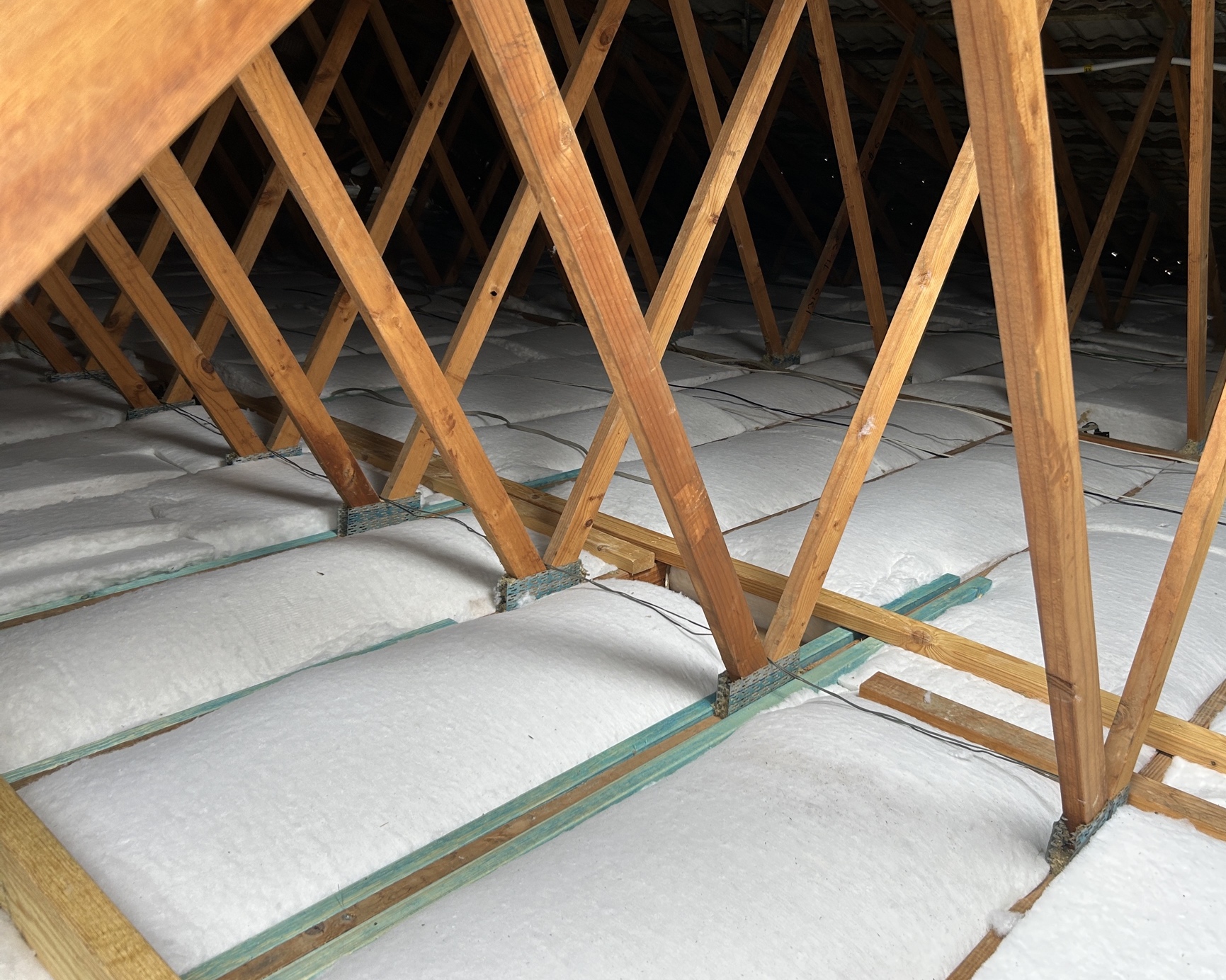
If we had to insulate every home in Brisbane the same way, no budgets, no shortcuts, polyester would be the go-to, every time.
It’s made from the same type of fibres found in pillows and clothing. That means it doesn’t itch, it doesn’t shed nasty glass particles, and it doesn’t mess with your lungs when it’s disturbed. You can hug it.
This makes a massive difference during installation, especially in roof cavities where movement kicks dust and fibres into the air. No protective suits. No masks. No sneezing for three days straight.
But polyester isn’t just about comfort.
It’s also extremely durable. It holds its shape better than other batts, even after years of exposure to fluctuating temperatures in the roof. It doesn’t slump, sag, or flatten as easily, which means it keeps doing its job over time instead of slowly becoming less effective.
And it’s safe. It doesn’t absorb moisture easily, so the chances of mould growth are reduced. It also doesn’t attract pests or rodents, since it contains nothing that looks like food or nesting material.
That’s why many premium insulation installers prefer polyester when a client wants something long-term, low maintenance, and allergy-safe.
Is it the cheapest? No.
Is it the most headache-free, health-friendly, and performance-consistent? Absolutely.
Fibreglass/Glasswool is what most people picture when they hear the word insulation. It’s the pink or yellow batt with the itchy reputation.
It’s been used for decades and remains a cost-effective option. The thermal performance is decent when installed properly, and the material itself is easy to find in most hardware stores.
But fibreglass is more sensitive to how it’s handled. If it’s compressed or left to sag over time, it loses its R-value faster than polyester. It also has a scratchy texture, and its fibres can irritate the skin, eyes, and lungs. While trained installers know how to manage this, it’s not the friendliest material for DIYers or allergy-sensitive households.
That said, it still performs and hits a good price point. For homes where the budget needs to stretch a bit further, fibreglass is a solid pick.
Cellulose is another option that comes with its own strengths. It’s typically made from recycled paper that’s been treated with fire retardants. Instead of laying down like batts, cellulose is blown in to fill cavities and crevices. It is hard to find a provider offering this insulation option or something like it.
This makes it ideal for roof spaces with irregular framing or lots of tight spots. It can get into corners and gaps that batts can’t reach.
Cellulose can settle over time, reducing its effectiveness. It can also be more moisture-sensitive than polyester, so proper roof ventilation is key to keeping it in top shape.
You’ve probably seen shiny foil insulation in rolls. They do a good job when installed right under the roof. This needs to be installed when the house is built or installed when you are replacing your roof.
Foil insulation works best as a supplement, not as a standalone solution. The layer of sarking under the roof line, doesn’t provide the full R-value needed for the home, you will still need to pair it with insulation batts installed above your ceiling sheets.
Here’s a clear and simple breakdown.
If you want top-tier insulation with minimal fuss, zero health concerns, allergy friendly, no harmful chemicals, and reliable performance, go with polyester. It costs more, but it’s the most comfortable and effective long-term choice.
If you want insulation at a more affordable price, fibreglass/glasswool is a dependable second. It’s widely used, but needs proper handling and care during install.
Insulation isn’t just about thickness or R-values. It’s about how well it fits your space, your lifestyle, and your budget.
The best option is the one that keeps your home cool in summer, warm in winter, quiet at night, and clean in the air you breathe.
But if you’re looking for a clean, long-lasting, low-maintenance choice with premium performance? Polyester is hard to beat.
We’ll come take a look and walk you through it.
Whether you need insulation removed, replaced, or installed from scratch, we’re here to help.
Contact us today and we’ll give you a free quote, walk you through your best options, and handle everything start to finish.

Sales & Service

Address