

Questions?
0430 046 058
0430 046 058
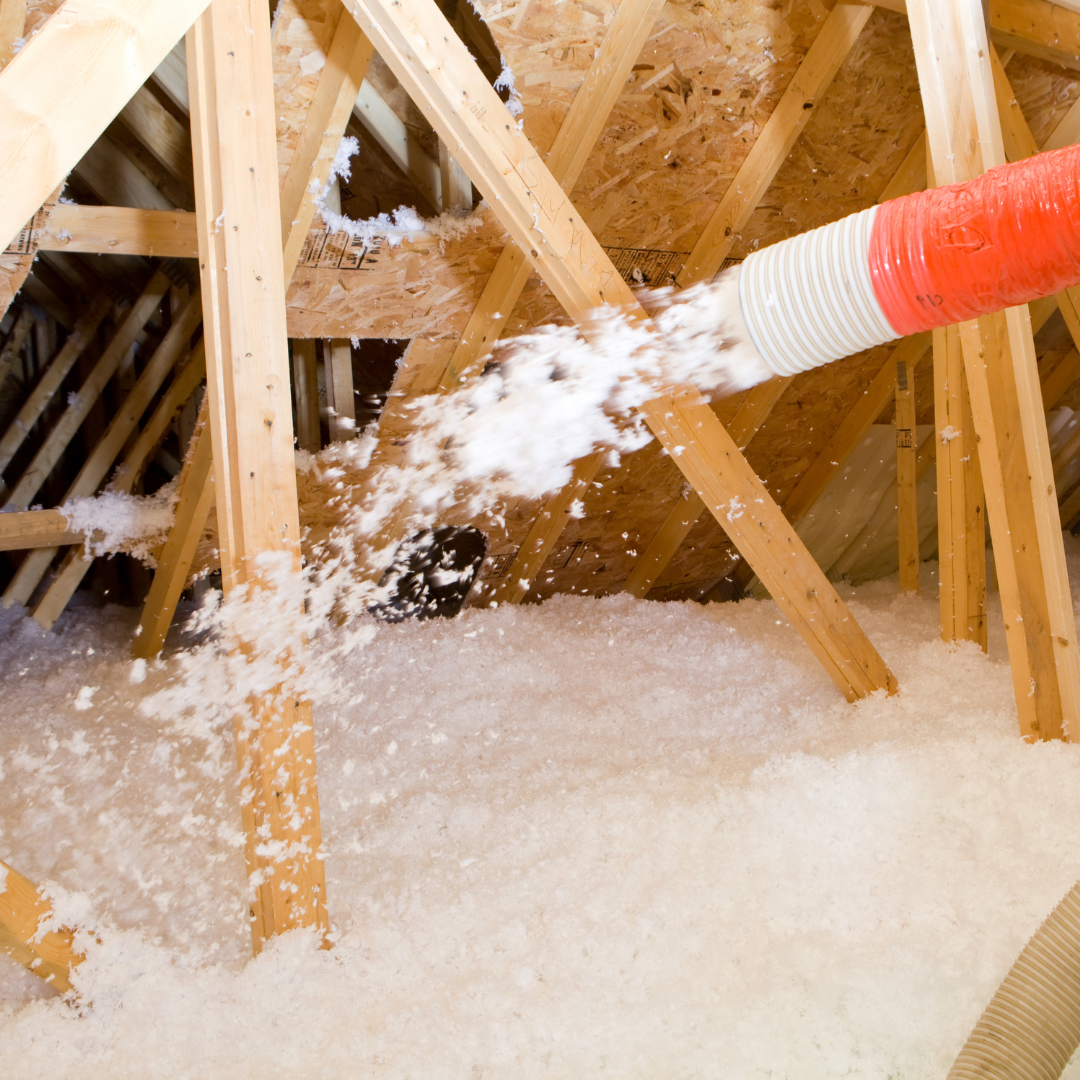
Queensland homes are built to handle the heat – but your roof cavity is still one of the dampest, sweatiest parts of the house.
Between summer storms, hidden roof leaks and Brisbane’s humidity, it is very possible for ceiling insulation to go mouldy if it has been exposed to moisture for long enough.
The tricky part is you rarely see it. You just notice musty smells, rooms that never quite feel fresh, or a roof stain that keeps returning after every downpour.
If you are a Brisbane, Logan or Ipswich homeowner wondering “can ceiling insulation go mouldy?” this guide will walk you through why it happens, what it means for your home, and the safest way to fix the problem for good.
Mould needs three main things to grow:
Your roof cavity can easily tick all three boxes.
Common moisture sources that lead to mould in ceiling insulation include:
Traditional fibreglass and cellulose products soak up that moisture like a sponge. Once you have wet insulation, those fibres give mould the perfect place to spread.
In Brisbane, Logan and Ipswich, where humid days and big downpours are the norm, it does not take much for a slightly damp roof space to become a roof cavity mould problem.
A one off splash that dries quickly is not usually the issue. The real trouble starts when insulation stays damp or keeps getting wet.
Over time, that can lead to:
All of this quietly reduces the effectiveness of your insulation while making your home feel less healthy and comfortable.
Left long enough, contaminated insulation can even stain ceilings from above and contribute to ongoing moisture issues in the roof cavity.
You cannot always see mouldy insulation from inside the house, but there are clear clues to look out for:
If any of that sounds familiar, it is worth treating it as a roof cavity mould Brisbane problem rather than just repainting the ceiling or masking the smell.
It is tempting to think you can simply dry mouldy insulation out and move on. Unfortunately, once porous insulation has been wet long enough to grow mould, it does not go back to normal.
Here is why “just letting it dry” does not work:
For health and performance reasons, badly contaminated insulation almost always needs to be removed and replaced, not “treated” in place.
That is where professional insulation mould removal Brisbane services come in.
A proper fix is about more than just ripping out a few batts. To solve the problem long term, you need to:
A professional team will use purpose built equipment to clean the space properly. That way, your ceiling insulation replacement Brisbane project actually gives you a clean, healthy fresh start.
Not all insulation materials behave the same way when exposed to moisture.
Older products like traditional fibreglass and cellulose can:
High quality polyester insulation is different. It is designed to:
That does not mean you can ignore leaks, but it does mean your new insulation is far less likely to turn into a wet insulation mould problem after every storm.
For Brisbane, Logan and Ipswich homeowners, that extra resilience in a humid climate makes a big difference to comfort and peace of mind.
You do not need to wait for a major disaster to act. It is a good idea to have your roof space inspected if:
A quick professional inspection can confirm whether you are dealing with mould in ceiling insulation, general dust build up, or something else entirely.
If you are even a little unsure about what is happening above your ceiling, it is worth getting a clear answer now – before the next big storm or another humid summer rolls through.
At Ceiling Vac Specialist, we help Brisbane, Logan and Ipswich homeowners:
Instead of guessing or putting up with musty rooms and rising power bills, you can know exactly what is sitting above your ceiling and what needs to happen next.
Schedule your free inspection using the booking link and get a clear plan to fix mouldy insulation before it causes bigger problems.
Schedule your free inspection here
Yes. Insulation can be wet and mouldy in the roof cavity while everything looks normal from the rooms below. The first signs are often smells, stains or allergy like symptoms rather than visible black patches.
Mould spores and contaminated dust can irritate airways, trigger asthma and make existing respiratory issues worse, especially for kids and older family members. The sooner mouldy insulation is removed and the roof space cleaned, the better for your indoor air quality.
Drying may remove surface moisture but it does not get rid of mould roots inside the fibres. The insulation will usually stay flattened and underperforming. In most cases, professional insulation mould removal involves removing and replacing affected material rather than trying to dry it in place.
Not always. If moisture was limited to a small section and was caught early, a specialist may only need to remove and replace that area. However, if the roof cavity has widespread roof cavity mould, older materials or multiple leaks, a full ceiling insulation replacement Brisbane project often gives the best long term result.
Timeframes depend on the size of your home and how badly the roof cavity is affected, but many Brisbane, Logan and Ipswich projects are completed within a day or two. Your specialist will explain exactly what is involved after inspecting your roof space and insulation condition.